
Last updated: April 17, 2026
Key Takeaways
- ITAR compliant quick turn PCB prototyping delivers 2-5 day turnarounds for defense and aerospace using full production processes with strict export controls.
- Pro-Active Engineering holds comprehensive certifications including ITAR, AS9100, JCP, Nadcap, and CMMC readiness, plus advanced technologies like wire bonding and silver sintering.
- End-to-end integration from design to assembly removes vendor fragmentation, reduces rework, and supports seamless prototype-to-production scalability.
- Key evaluation criteria include verified 2-5 day lead times, material traceability, domestic secure facilities, and high-mix low-volume flexibility.
- Trust Pro-Active Engineering for mission-critical projects; get your secure ITAR prototype quote for 2-5 day delivery.
How ITAR Compliant Quick Turn PCB Prototyping Works
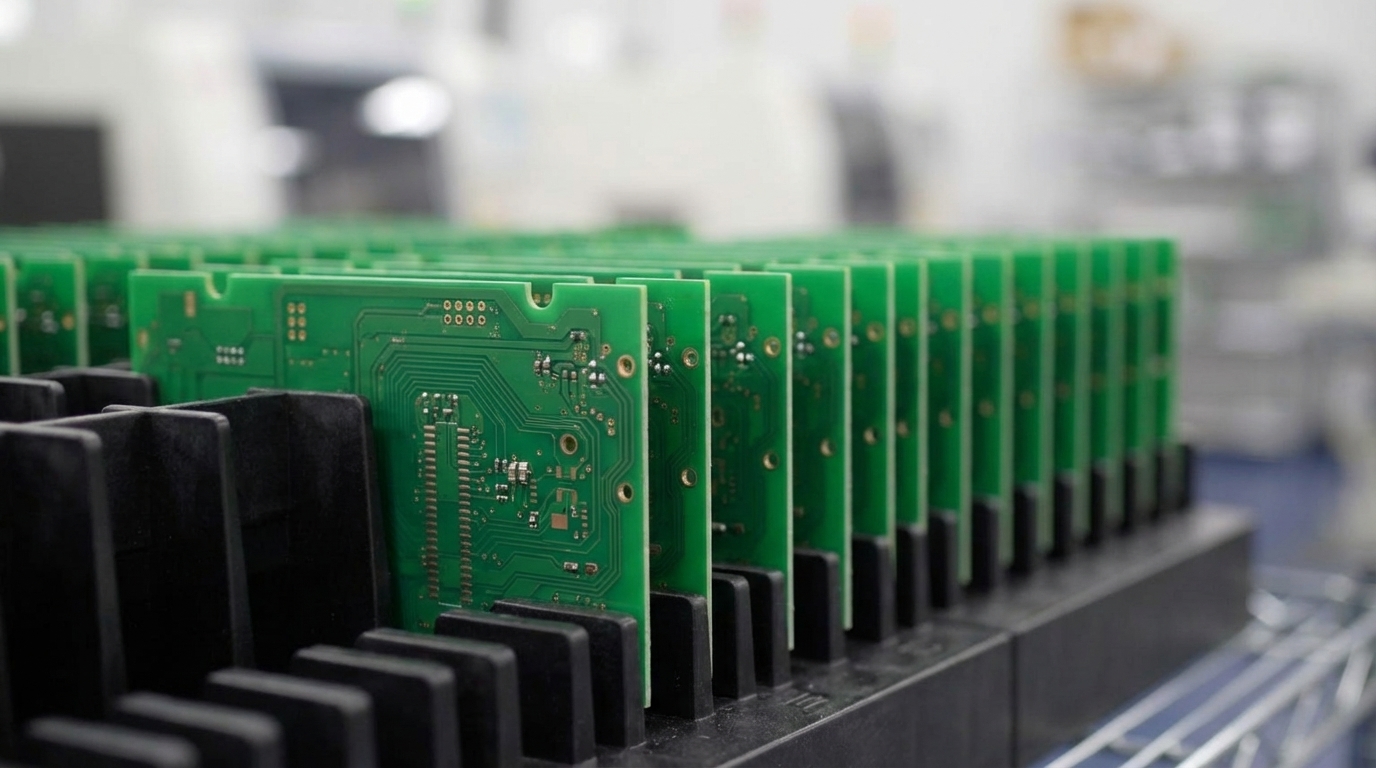
ITAR compliant quick turn PCB prototyping services combine International Traffic in Arms Regulations (ITAR) compliance with rapid manufacturing capabilities to serve defense and aerospace applications. An application-specific PCB whose layout is specially designed for a defense article controlled on the USML is controlled under ITAR Category XI(c)(2), which requires strict export controls and domestic manufacturing oversight. Quick turn capabilities deliver functional prototypes within this 2-5 day window using full production processes rather than simplified prototype methods.
These services provide critical benefits such as complete material traceability, design for manufacturability (DFM) integration, automated optical inspection (AOI), and comprehensive testing protocols. Key capabilities include:
- ITAR registration with JCP certification and AS9100 compliance
- 1-piece minimum order quantities for rapid iteration
- High-mix, low-volume production flexibility
- Advanced interconnect technologies including wire bonding and flip chip assembly
- Thermal management solutions for high-power applications
Recent DDTC updates in 2025 refined export classification requirements and increased the value of domestic compliance expertise. Explore certified quick turn ITAR solutions.
Top ITAR Compliant Quick Turn PCB Providers in the USA
The domestic market for ITAR compliant quick turn PCB prototyping includes several established providers, each with distinct capabilities and specializations. The following comparison shows that several companies offer fast turnaround, but only Pro-Active Engineering combines this speed with broad certifications and full end-to-end integration, which removes the vendor fragmentation that often adds weeks to defense projects.
| Provider | Lead Time | ITAR/AS9100 | Advanced Tech | Scalability |
|---|---|---|---|---|
| Pro-Active Engineering | 2-5 days | Yes (ITAR, JCP, AS9100, Nadcap certifications, and CMMC readiness) | Wire bonding, silver sintering, flip chip | End-to-end integrated |
| Advanced Circuits | 24-48 hrs (2-8 layer) | ITAR/AS9100 | HDI/microvias | Fab-focused, limited assembly |
| Milwaukee Electronics | As little as 3 days | ITAR | SMT/Through-hole | Mid-volume, fragmented |
| TouchPad Electronics | 3, 5, and 10 days | — | Standard interconnect | Low-mix |
| Ducommun | Rapid prototyping available | ITAR/AS9100 | Flexible printed circuitry | High-volume silos |
Pro-Active Engineering’s Speed Shop stands out through comprehensive end-to-end integration that combines rapid prototyping with advanced manufacturing capabilities in a single workflow. Many competitors specialize in either fabrication or assembly, while Pro-Active’s integrated approach removes the vendor fragmentation problem that can cause significant procurement-related delays.
Why Pro-Active Engineering Leads ITAR Quick Turn PCB in the USA
Pro-Active Engineering’s Speed Shop delivers production-ready prototypes in this 2-5 day turnaround window with 1-piece minimum order quantities using full production processes. This approach solves the critical vendor fragmentation problem through comprehensive integration backed by ISO 9001:2015, AS9100, JCP, and Nadcap certifications, ITAR registration and compliance, NIST 800-171 alignment, and CMMC readiness.
The company’s advanced capabilities include PCB design with integrated DFM, SMT and through-hole assembly, conformal coating, AOI and flying probe testing, plus specialized technologies like wire bonding, flip chip assembly, and silver sintering for thermal management. A recent example shows this integration in practice. A defense contractor received a 3-day prototype that scaled directly to production without design modifications, which removed the typical prototype-to-production delays.
Pro-Active Engineering operates in Wisconsin in a 45,000 square foot facility with CAGE code 7R4Q2 and more than 30 years of electronics manufacturing experience. The integrated workflow ensures that design decisions made during prototyping directly support production scalability. This structure reduces total cost of ownership and removes the rework cycles that are common with fragmented suppliers.
Get a Speed Shop quote for integrated 2-5 day prototypes.
Key Evaluation Criteria and Buyer Checklist for ITAR Quick Turn PCB
Buyers should focus on a clear set of criteria when selecting an ITAR compliant quick turn PCB prototyping provider.
- ITAR registration with JCP, AS9100, and Nadcap certifications
- Demonstrated 2-5 day lead times using production processes
- End-to-end integration from design through system assembly
- Advanced technologies including thermal management and interconnect solutions
- Complete material traceability and documentation control
- Domestic manufacturing with secure facility access
Avoid common risks associated with non-integrated providers. Components represent 50-70% of total PCBA cost, so procurement delays from fragmented vendor relationships can stall entire projects. This fragmentation problem mentioned earlier also creates communication gaps, increases rework probability, and extends total project timelines. While integrated providers may show higher initial unit costs, the total cost of ownership typically decreases through fewer redesign cycles and faster time-to-market.
FAQ
What does ITAR compliant mean for PCB prototyping?
ITAR compliance for PCB prototyping means the manufacturer is registered with the State Department’s Directorate of Defense Trade Controls and follows strict export control regulations. Application-specific PCBs designed for defense articles must be manufactured by ITAR-registered facilities with controlled access, secure data handling, and complete material traceability. This structure keeps sensitive defense technologies within approved channels and supports national security requirements.
What are the fastest quick turn PCB USA lead times available?
The fastest legitimate quick turn PCB lead times in the USA range from 2-5 days for fully functional prototypes using production processes. Some providers advertise 24-48 hour turnaround for simple 2-8 layer boards, but these often have limited capabilities and may not include full assembly or testing. True quick turn services that support complex defense and aerospace requirements typically use this 2-5 day window to maintain proper quality control and compliance verification.
Which are the best ITAR certified PCB companies for defense applications?
The best ITAR certified PCB companies for defense applications combine rapid prototyping capabilities with comprehensive manufacturing integration. Pro-Active Engineering leads this category through its Speed Shop rapid prototyping service, complete end-to-end integration, and advanced technologies including wire bonding and thermal management solutions. Other notable providers include Advanced Circuits for basic fabrication and Milwaukee Electronics for mid-volume assembly, although these options usually require multiple vendor relationships.
How can I avoid prototype-to-production issues with quick turn PCB services?
Buyers can avoid prototype-to-production issues by selecting providers that use identical processes for both prototyping and production. Design for manufacturability should be integrated from day one, with real manufacturing input during the design phase. The provider should offer seamless scalability without process changes, maintain consistent quality standards across volume levels, and provide complete documentation control. The Speed Shop approach removes these transition risks by using production-grade processes for all prototype builds.
What are Pro-Active Engineering’s typical lead times and customer reviews?
Pro-Active Engineering delivers prototypes in this 2-5 day timeframe through its dedicated Speed Shop line, supported by over 30 years of performance in the electronics manufacturing industry. The company maintains high customer satisfaction through integrated engineering support, proactive communication, and consistent on-time delivery. This comprehensive approach from design through production has established Pro-Active as a trusted partner for mission-critical defense and aerospace applications that require both speed and reliability.
Conclusion: Fast, Compliant, and Fully Integrated ITAR PCB Prototyping
Pro-Active Engineering leads the ITAR compliant quick turn PCB prototyping USA market through superior speed, comprehensive compliance, and end-to-end integration that removes vendor fragmentation risks. Contact Pro-Active Engineering for 2-5 day prototypes with seamless production scalability.